





Google Reviews

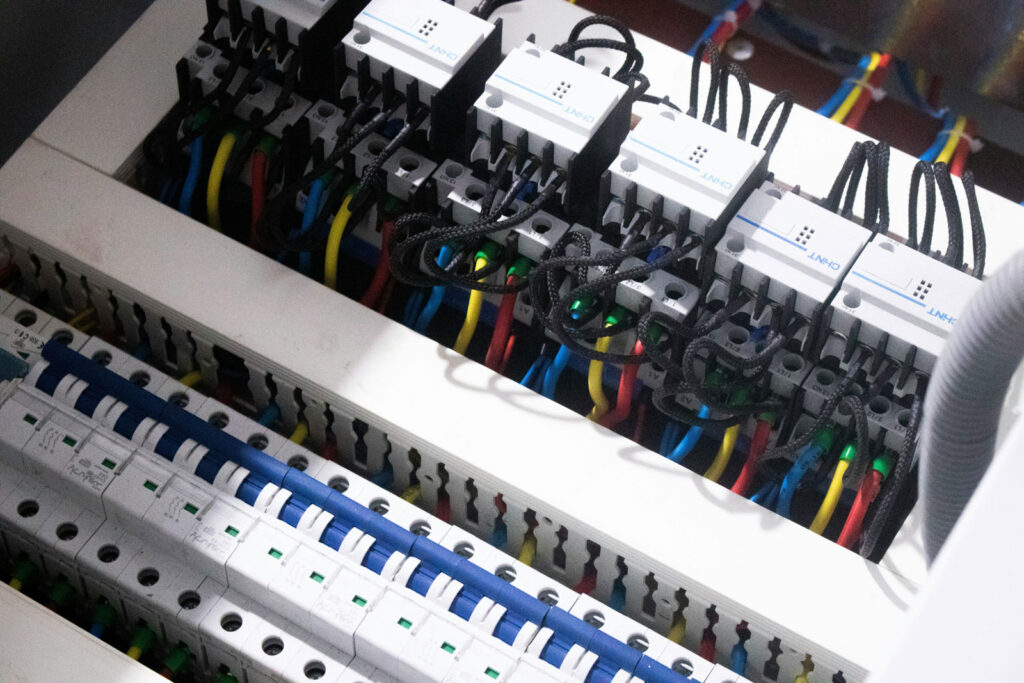
fuse box

Electrical Inspection For Homes and Businesses

Electrical inspections help you identify hidden faults in your wiring before they cause fires, power failures, or legal issues. If you own, manage, or operate a property, a professional electrical safety check gives you clear proof that your electrical system is safe, compliant, and fit for use.

    Testimonials

    cropped hand electrician repairing electrical fuse factory

    At Addison Electrical, we help property owners and businesses across Northwest England spot problems early and deal with them properly. We have been carrying out thorough electrical inspections and testing for over 60 years.

    As NICEIC-approved contractors, we inspect everything from family homes to large commercial and industrial sites, always with safety and reliability first.

    Key Takeaways: What You Need to Know About Electrical Inspections

    ● An Electrical Installation Condition Report (EICR) assesses the safety and condition of a property’s fixed electrical installation against BS7671 IET wiring regulations.

    ● Legal requirements vary by property type; rental properties: every 5 years, commercial properties: every 5 years, and owner-occupied homes: every 10 years (recommended).

    ● Electrical inspections must be completed by a qualified, competent electrician. NICEIC approval ensures inspections meet regulatory and insurance requirements.

    ● Electrical inspections uncover hidden safety risks such as deteriorated wiring, overloaded circuits, and faulty connections.

    ● Most residential electrical inspections take 2- 4 hours, depending on property size and circuit count.

    Electrical Safety Checks and Inspections

    What’s Tested and What to Expect

    Electrical safety checks, also known as an Electrical Installation Condition Report (EICR), are designed to uncover hidden faults before they cause disruption, danger, or legal issues. Whether you manage a rental property, run a business, or own a commercial building, regular electrical inspections help you stay safe, compliant, and in control.

    Below, we explain exactly what an electrical safety check involves, what will be tested, how long it takes, and what happens if issues are found.

    electric
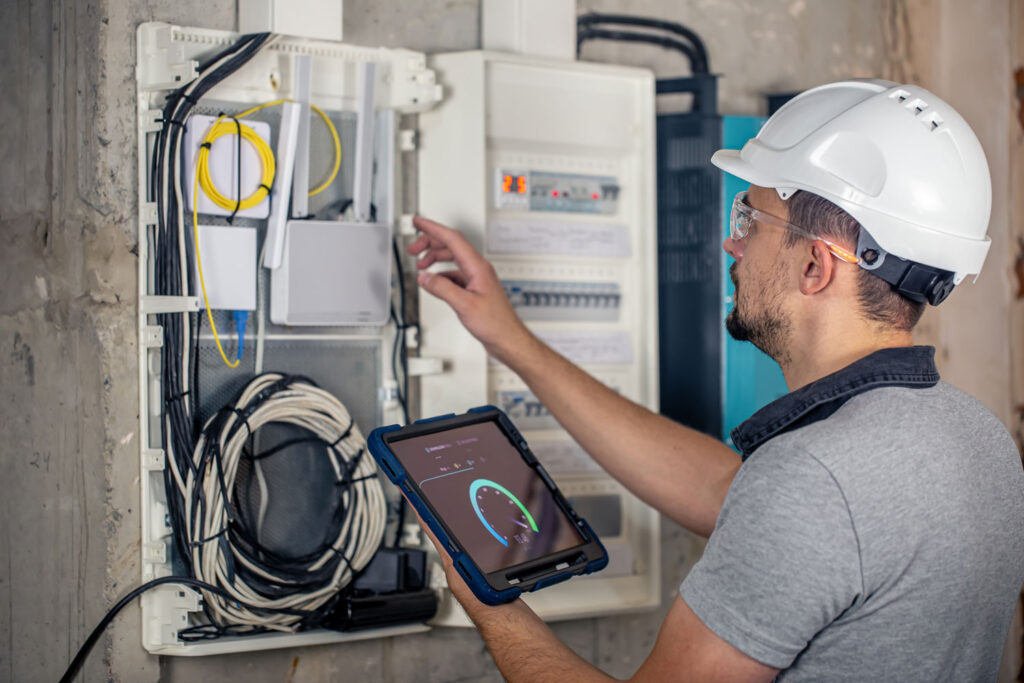
    man electrical technician working switchboard with fuses uses tablet

    What Does an Electrical Safety Check Involve?

    An electrical safety check is a structured inspection of your fixed electrical installation. This includes the wiring, circuits, and components that supply power throughout a property.

    The aim is to confirm that the system is:

    ● Safe to use

    ● Free from immediate hazards

    ● Compliant with current electrical regulations

    ● Suitable for the way the building is being used

    Most formal electrical safety checks are carried out as part of an Electrical Installation Condition Report (EICR).

    Types of Electrical Inspections We Provide

    We deliver inspections across residential, commercial, and industrial settings throughout Northwest England.

    Residential Electrical Inspections

    We inspect consumer units, wiring, lighting, sockets, and earthing systems with minimal disruption. Most home inspections take between two and four hours. Essentially, we provide;

    ● Landlord EICRs for legal compliance
    ● Homebuyer and seller electrical surveys
    ● Safety checks for owner-occupied homes

    Commercial and Industrial Inspections

    We inspect offices, retail spaces, apartment buildings, and industrial facilities, scheduling work to minimise disruption. Our experience includes multiple large-scale domestic and commercial sites.

    friendly electrician writing document

    What Happens in an Electrical Inspection: The Process

    An electrical inspection is planned to minimise disruption while still being thorough. You can expect:

    ● A visual inspection of key electrical components

    ● Electrical testing of circuits and protective devices

    ● Temporary power interruptions during testing

    ● Clear communication about any issues found

    At the end of the inspection, you’ll receive a written report explaining the condition of the installation and any actions required.

    Understanding Your EICR Report

    Your report categorises findings clearly:

    ● C1: Immediate danger

    ● C2:  Potential danger

    ● C3: Improvement recommended

    ● FI: Further investigation required

    A satisfactory report contains no C1 or C2 items. Where remedial work is needed, we explain your options in plain language and provide clear, upfront pricing.

    How Long Does an Electrical Inspection Take?

    The length of an electrical safety check depends on:

    ● The size of the property

    ● The number of circuits

    ● The age of the installation

    ● Ease of access

    As a guide:

    ● Small residential properties: a few hours

    ● Larger homes or commercial premises: half a day or more

    We’ll give you a realistic timeframe before work begins.

    How Often Should These Inspections Be Carried Out?

    ● Rental properties and HMOs: every 5 years

    ● Commercial properties: every 5 years

    ● Industrial or high-risk sites: every 3 years

    ● Owner-occupied homes: every 10 years

    Inspections may be required sooner after major electrical work, property damage, or when purchasing a property.

    Why These Inspections Are Crucial for Landlords and Property Managers

    If you are a property owner or manager, electrical inspections are a legal requirement.

    An EICR helps you:

    ● Meet landlord’s electrical safety regulations

    ● Protect tenants from electrical hazards

    ● Reduce liability and insurance risk

    ● Avoid last-minute compliance issues

    Electrical inspections are essential for both homes and businesses. These inspections prevent emergencies that could result in property damage or loss of life.

    Who Can Carry Out an Electrical Survey?

    Electrical inspections must be carried out by a qualified and competent electrician with experience in inspection and testing.

    Using a certified contractor ensures:

    ● Accurate testing
    Valid certification

    ● Compliance with current regulations

    ● Reports accepted by insurers and authorities

    How We Charge for Electrical Testing and Inspection

    Pricing is based on:

    ● Property size and complexity

    ● Number of circuits

    ● Type of installation

    We clearly separate inspection costs from any repair work, so you always know what you’re paying for and why.

    Areas We Cover

    We serve the Northwest region, providing responsive inspection services across residential, commercial, and industrial properties.

    Why Choose Addison Electrical As Your Reliable Electrical Safety Inspector

    ● 60+ years of family expertise

    ● NICEIC-approved electrical safety inspectors

    ● Proven capability from homes to major commercial sites

    ● Clear communication and practical solutions
    Local Northwest presence with swift response times

    FAQs

    What Are Fixed Wire Installations?

    Fixed wire installations refer to the permanent electrical system within a property. This includes:
    ● Consumer units (fuse boards)
    ● Distribution boards
    ● Fixed wiring within walls and ceilings
    ● Sockets, switches, and light fittings
    Earthing and bonding systems
    Portable appliances are not included in a fixed wire inspection. These are covered separately under PAT testing.

    Testing vs Repairs: What’s the Difference?

    Electrical testing and electrical repairs are not the same thing.
    ● Testing identifies issues and confirms the condition of the system
    ● Repairs involve fixing faults found during the inspection

    An inspection does not automatically include repair work. This separation helps keep the process transparent and avoids unexpected costs. If repairs are needed, these are quoted separately so you can decide how to proceed.

    How Much Does an Electrical Inspection Cost?

    Typical costs range from:
    ● Β£150–£300 for residential properties
    ● Β£300–£600 for commercial premises
    ● Β£600+ for large industrial sites

    Pricing is based mainly on the number of circuits and system complexity. All quotes are provided in advance with no hidden charges.

    Is electrical inspection a legal requirement?

    Electrical inspections are legally required for rental properties and many commercial buildings. Owner-occupied homes are not legally required to have an EICR, but inspections are strongly recommended to identify safety risks.

    What happens if my EICR is unsatisfactory?

    If an EICR is unsatisfactory, the report will list issues that must be fixed to make the installation safe and compliant. Remedial work can be completed once you approve the recommendations.

    Unlock unmatched precision and reliability with services from Addison Electrical, where cutting-edge expertise meets unwavering commitment to safety and customer satisfaction.

      We welcome
      your questions & ideas

      Book Your Electrical Inspection

      For a professional electrical inspection, you can call us 07894 122640 or fill out this form to book your electrical survey.

      You’re not just hiring a contractor. You’re gaining a trusted partner who puts safety, compliance, and peace of mind first.